ANTI REFLECTIVE COATINGS ON YOUR SPECTS
Ever caught your own distracting reflection in your glasses during a Zoom call? That visual static isn’t just annoying; it’s a sign that your lenses are bouncing light away instead of letting it through. This common frustration is what causes reflections on eyeglasses, and it can subtly reduce visual comfort. The fix is a nearly invisible technology you’ve likely been offered before: an anti-reflective (AR) coating.
So how can an invisible layer simply erase a reflection? Think of it like noise-canceling headphones, but for light. Those headphones listen for annoying sound waves and create an opposite “anti-noise” wave to flatten them out. An AR coating works in a similar way. On a microscopic level, it generates a second, opposing reflection that perfectly cancels out the first one, allowing more light to pass directly to your eye.
The primary goal of these non-reflective lenses benefits your vision directly. By eliminating reflections, up to 99.5% of available light can pass through the lens, improving vision clarity. If you’ve ever noticed a faint green or purple sheen on coated lenses, that’s actually a good sign. It shows the technology is working, tuned to cancel out the most distracting light and leaving only a hint of residual color behind.
Why AR coatings let you see more sharply, especially in low light
A standard eyeglass lens might look perfectly transparent, but it’s not. As light passes through, up to 10% of it can be lost to reflections bouncing off the front and back surfaces. While that might not sound like much, this lost light means the world you see through your lenses is slightly dimmer and less defined than it could be.
This is where an anti-reflective coating proves its worth beyond just looking good. By neutralizing those distracting reflections, it changes the equation entirely. Instead of losing a chunk of light, a coated lens allows much more of it to pass directly through to your eye. A high-quality AR coating can increase the light transmission of a lens from about 90% to over 99%.
That seemingly small percentage makes a world of difference. The extra light reaching your eye results in noticeably sharper, crisper vision with greater contrast between light and dark. This boost is most crucial in low-light conditions, like driving after dusk or reading in a dimly lit room, where every bit of light helps you see more clearly and safely. For many people, this significant improvement in visual quality makes the cost of an AR coating for glasses a worthwhile investment.
The secret to reducing digital eye strain from computer use
If you spend hours in front of a computer, you’ve likely felt it: tired, achy eyes that just want a break. This isn’t just normal fatigue; it’s often called digital eye strain. A major contributor to this discomfort isn’t just the screen itself, but the distracting reflections bouncing off your lenses from overhead lights or nearby windows. Your eyes are constantly working overtime, trying to look past this “visual noise” to focus on your work.
This is precisely why an anti-reflective coating is so effective to reduce glare on glasses for computer use. By neutralizing those reflections, an AR coating essentially cleans up your field of vision. Instead of your eyes fighting through a layer of distracting shine, they can relax and focus directly on the screen. That constant, subconscious effort to ignore glare disappears, which is one of the clearest signs you need non-glare glasses—that nagging end-of-day eye strain that a simple break doesn’t seem to fix.
The result is more than just immediate comfort; it can mean fewer tension headaches and significantly less fatigue after a long workday. While AR coatings tackle reflections, they are different from a blue light filter, which targets a specific part of the light spectrum coming from the screen. Many modern lenses combine both for comprehensive protection. By cutting down on visual distractions, AR coatings don’t just help your eyes feel better—they also help you look better to others.
Look better on video and in photos: the cosmetic benefit of AR lenses
Beyond just reducing your own eye strain, an anti-reflective coating dramatically changes how others see you. It makes your eyeglass lenses seem to almost disappear, removing the distracting glare that can hide your eyes. This allows for genuine eye contact, making your conversations feel more connected and personal, whether you’re in a meeting or just talking with a friend. Without that barrier of reflections, people see you, not a flash of the room’s lighting.
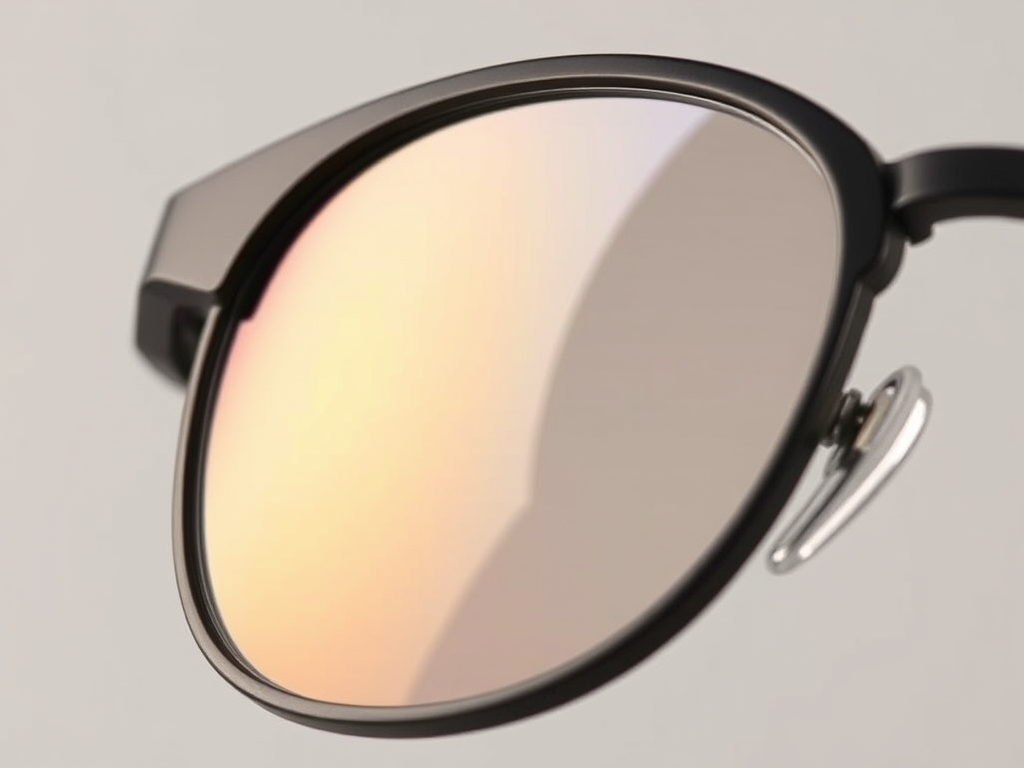
This effect is even more noticeable on camera. If you’ve ever been on a video call and been distracted by a bright reflection of a lamp or window covering your eyes, that’s a clear sign you could benefit from non-glare glasses. Those distracting white spots can make you look disengaged or cut-off. With lenses that combat glare, your expressions come through clearly, helping you appear more polished and present in every photo and video conference.
There’s a reason why news anchors and actors on screen almost always wear glasses with this technology. The ability to see someone’s eyes without obstruction is crucial for building trust and connection. These non-reflective lenses benefits aren’t just for professionals, though. They offer a clearer, more authentic look for anyone who wears glasses, ensuring your vision is enhanced without creating a visual barrier for others. By eliminating this visual noise, AR coatings prove their worth in all kinds of lighting—even the most challenging.
How the right lens coating can make night driving safer
For anyone who wears glasses, driving at night presents a unique challenge. Oncoming headlights can seem to explode into a distracting “starburst” or wrap themselves in a fuzzy “halo,” making it difficult to judge distance and see the road clearly. This dangerous visual noise isn’t just about brightness; it’s caused by light reflecting multiple times within your own eyeglass lenses before it reaches your eyes, creating a blinding glare.
An anti-reflective coating directly targets these internal reflections. By allowing more light to pass straight through the lens instead of bouncing around, it dramatically minimizes that starburst effect. For people wondering if anti-glare glasses are worth it, this is a key moment. Headlights and streetlamps resolve into crisp, clear points of light, not overwhelming flares. Your vision is no longer cluttered by distracting visual artifacts, helping you focus on the road ahead.
This improved clarity is more than just a comfort—it’s a critical safety feature. When you can see the road without interference, your reaction time is faster and your eyes feel less strained during long trips. If you find night driving stressful, a conversation with your optician about the best lens coating for night driving is essential. It’s one of the most effective ways to reduce glare on glasses and build confidence behind the wheel after dark.
AR coating vs. blue light filter: What’s the real difference?
When you’re buying new glasses, the conversation often turns to add-ons for screen use, bringing up a swirl of confusing terms. You’re told an anti-reflective (AR) coating is a must-have, but then you’re also asked about a blue light filter. It’s easy to assume they do the same thing, but they solve two very different problems. An AR coating focuses on maximizing clarity, while a blue light filter is all about absorbing a specific color of light.
Think of an AR coating as making the lens more invisible. Its job is to cancel out distracting reflections from the front and back of your lenses, letting more light pass directly to your eye. This gives you crisper vision and helps others see your eyes, not a reflection of their screen. In contrast, a blue light filter acts more like a selective sponge. It’s a special dye or property within the lens material that is designed to absorb a portion of the high-energy blue light emitted from digital screens.
To make things even clearer, let’s add a third term that often gets mixed up: anti-glare. This typically refers to a matte surface that scatters light, like a frosted bathroom window. While it reduces the sharpness of reflections, it also slightly reduces clarity. Here’s the simplest way to remember the anti-glare vs blue light filter distinction and where AR fits:
● Anti-Reflective (AR): Cancels reflections for maximum clarity. Think of a perfectly clean, invisible window.
● Blue light filter: blocks a specific spectrum of light. Think of a slightly tinted window.
● Anti-Glare (Matte): Scatters light to reduce defined reflections. Think of a frosted window.
The best part is that you don’t have to choose. High-quality lenses, including many Crizal lens coating options, often bundle these technologies. You can get a lens that has a built-in blue light filter and a premium AR coating on top, giving you the dual benefit of enhanced visual comfort and superior clarity.
How to clean coated lenses without causing peeling or scratches
Investing in an anti-reflective coating means you want the clearest vision possible, so keeping your lenses clean is key. Thankfully, the best method for how to clean coated eyeglass lenses is also the simplest. Start by rinsing your lenses under lukewarm tap water to wash away any dust or grit that could cause scratches. Then, apply a tiny drop of lotion-free dish soap to each side and gently rub with your fingers. Rinse thoroughly, and dry with a clean, soft microfiber cloth. Many premium lenses also feature a hydrophobic lens coating, a helpful layer that naturally repels water and oils, making this process even easier.
Just as important as the proper technique is knowing which common habits to avoid. Using the wrong material can permanently scratch or even strip away the coating you paid for. To protect your investment, never use the following:
● Paper towels, tissues, or your shirt: These materials feel soft, but their fibers are abrasive enough to create micro-scratches.
● Window cleaner, rubbing alcohol, or ammonia-based solutions: These harsh chemicals are designed to dissolve grime, and they will do the same to your lens coating.
Beyond cleaning, there’s one other major threat to your AR coating: extreme heat. Your lens and its coating are different materials that expand and contract at different rates. Leaving your glasses on a hot car dashboard, for instance, can cause a temperature shock. This can lead to “crazing”—a web of tiny cracks—or result in the eyeglass lens coating peeling off entirely. Always keep your glasses in their case when you’re not wearing them to protect them from both scratches and heat.
Are anti-glare glasses worth it? a guide to cost and options
After learning about the benefits of an AR coating, the next question is usually about the price. So, are anti-glare glasses worth it from a financial standpoint? The cost of an AR coating for glasses at ottico eyecare typically adds between 1800ksh and20,000ksh for premium designer lenses. While that might seem like a significant jump, it’s best to view it as an investment in your visual comfort and the durability of your eyewear.
That price difference often comes down to the quality and features of the coating itself. A basic coating will do a good job of cutting reflections, but premium options from trusted brands offer much more. Looking at Crizal lens coating options or a high-end Zeiss DuraVision Platinum review, you’ll find they integrate multiple technologies. These advanced coatings often include a superior hydrophobic lens coating that repels water and an oleophobic layer that resists skin oils, making them significantly easier to clean and more resistant to scratches.
One crucial factor to consider when weighing the cost is that this choice is permanent. Anti-reflective coating is bonded to the lens in a specialized lab during the manufacturing process. Because of this complex application, you can’t add a coating to existing glasses—it must be selected when you order a new pair. This makes the initial decision all the more important for the long-term satisfaction you’ll get from your eyewear.
For most people who spend significant time on computers, drive at night, or simply want the clearest, most comfortable vision possible, the answer is a resounding yes. The daily relief from eye strain and the crisp visual clarity easily justify the one-time expense. The real question isn’t just about cost, but about whether the benefits match your specific daily needs.
Your Quick Checklist: Do You Need an Anti-Reflective Coating?
What once seemed like a confusing, technical add-on is now clear: anti-reflective coating isn’t just a feature, it’s a direct upgrade to how you see the world. You’re no longer deciding on an abstract upsell, but on the tangible benefits of greater clarity, improved comfort, and a more natural appearance, free from distracting glare.
So, are anti-glare glasses worth it for you? Answering that is now simple. The following are clear signs you may need them.
AR Coating is a great choice for you if…
● You spend several hours a day using a computer.
● You do a lot of driving at night.
● You are frequently on video calls or in photographs.
● You are simply bothered by distracting reflections and want the clearest possible vision.
Ultimately, seeing is believing. The next time you’re at the optometrist, you’re in a new position of power. You can confidently ask them to show you the difference between a lens with and without an anti-reflective coating. Now that you understand the technology, you can see the clarity for yourself and make the choice that’s truly best for your eyes.