Photochromic lenses for vision are a game-changer in eyewear technology. They adapt to light, offering comfort and protection.
These lenses darken in sunlight and clear indoors. This makes them perfect for those who move between different lighting conditions.
Photochromic glasses provide UV protection, reducing the risk of eye damage. They are a convenient choice for outdoor enthusiasts and everyday users alike.
Transition lenses, a popular type of photochromic lenses, offer seamless adaptation. They eliminate the need to switch between regular glasses and sunglasses.
Explore the benefits of photochromic lenses and discover if they are the right choice for your vision needs.
What Are Photochromic Lenses?
Photochromic lenses are innovative eyeglass lenses that adapt to light changes. They darken in sunlight and turn clear indoors.
Unlike traditional lenses, they adjust automatically without any manual intervention. This technology offers a seamless experience for wearers.
These lenses contain molecules that react to UV light. When exposed, the molecules change structure, causing the lens to darken.
Photochromic lenses rely on a sophisticated chemical process. When exposed to UV rays, molecules within the lenses shift form.
These molecules are made of special compounds that react uniquely to light exposure. This structural change causes the lenses to darken.
In absence of UV light, such as indoors, the molecules revert to their original form. This process restores the lenses to a clear state.
Key features of photochromic lenses include:
- Automatic adjustment to light conditions
- UV protection
- Available in prescription glasses
- Versatile material options
Their versatility and functionality make them popular among all age groups. Children, adults, and seniors can benefit from these adaptive lenses.
By eliminating the need to switch between sunglasses and regular glasses, photochromic glasses offer convenience. They are suitable for active lifestyles and provide ongoing protection.
How Do Photochromic Lenses Work?
Photochromic lenses rely on a sophisticated chemical process. When exposed to UV rays, molecules within the lenses shift form.
These molecules are made of special compounds that react uniquely to light exposure. This structural change causes the lenses to darken.
In absence of UV light, such as indoors, the molecules revert to their original form. This process restores the lenses to a clear state.
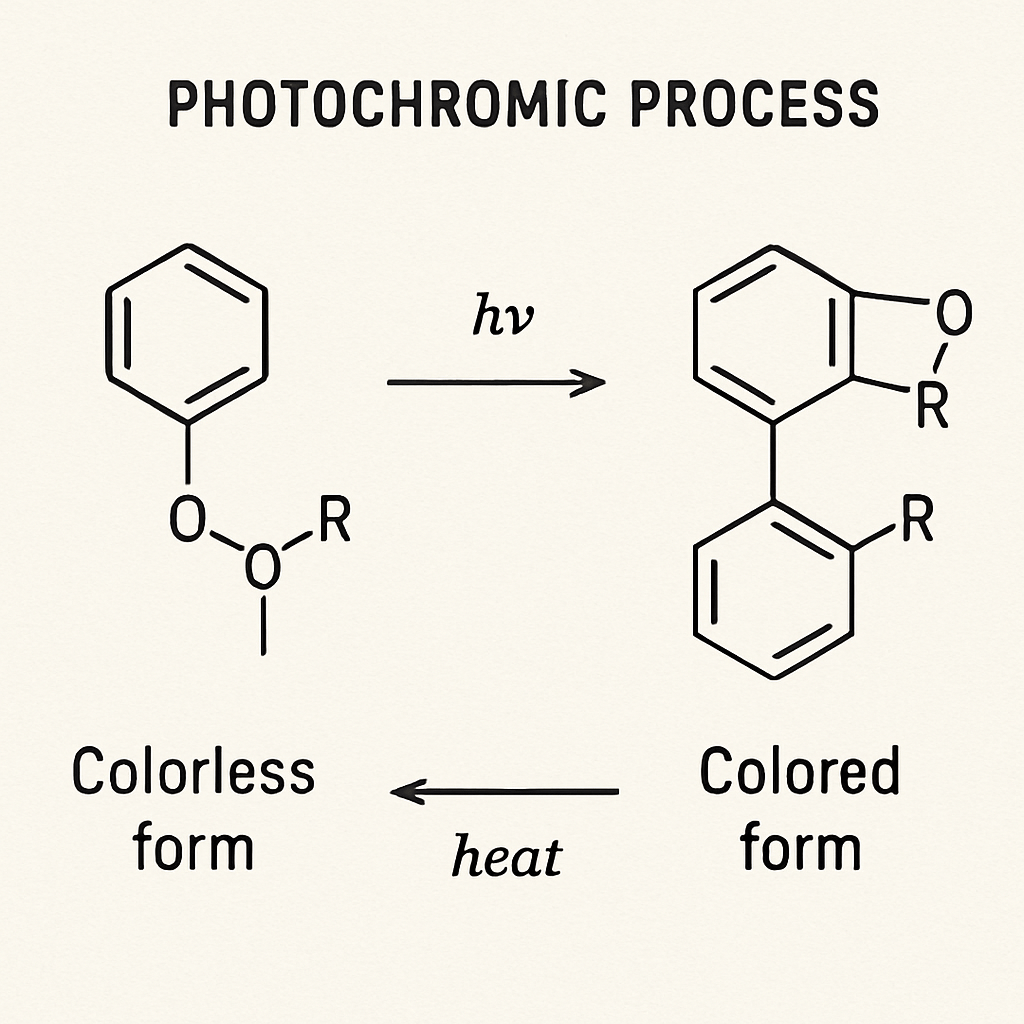
Key steps in the functioning of photochromic lenses include:
- UV light causes molecules to expand, darkening lenses
- Molecules compress back in low light, clearing lenses
- Transition occurs in seconds for most brands
The speed of lightening and darkening depends on temperature. Cooler conditions might slow the transition process.
Photochromatic lenses are versatile and react to various environmental changes. They integrate seamlessly into daily activities, minimizing eye strain.
This adaptability makes them a preferred choice for many, offering both convenience and protection in a single product.
Key Benefits of Photochromic Lenses
Photochromic lenses provide an array of advantages for those seeking adaptive eyewear. They automatically adjust to light conditions, improving visual comfort.
A significant benefit is UV protection. These lenses reduce the risk of eye damage from harmful UV rays, safeguarding your ocular health.
They minimize the inconvenience of constantly switching between prescription glasses and sunglasses. This seamless transition enhances your daily experience.
These lenses are valuable for reducing eye strain and fatigue. Continuous adjustment to light lessens the burden on your eyes during the day.
Users appreciate their cost-effectiveness. Photochromic lenses combine the features of sunglasses and regular glasses, offering a two-in-one solution.
Other key benefits include:
- Enhanced clarity in varying light conditions
- Available in multiple materials for tailored needs
- Suitable for a variety of activities, like hiking and cycling
Despite some lenses not darkening behind UV-blocking car windshields, they remain a preferred choice for many.
Photochromic lenses cater to diverse age groups, from children to seniors. This versatility makes them a practical option for families.
Additional perks encompass:
- Reduction of glare and enhanced visual comfort
- Multiple color and tint options for personal style
- Improved safety with consistent, clear vision
These lenses are also environmentally friendly, reducing the need for multiple eyewear pairs. They represent an innovative leap in eyewear technology
Photochromic Lenses vs. Other Eyewear Options
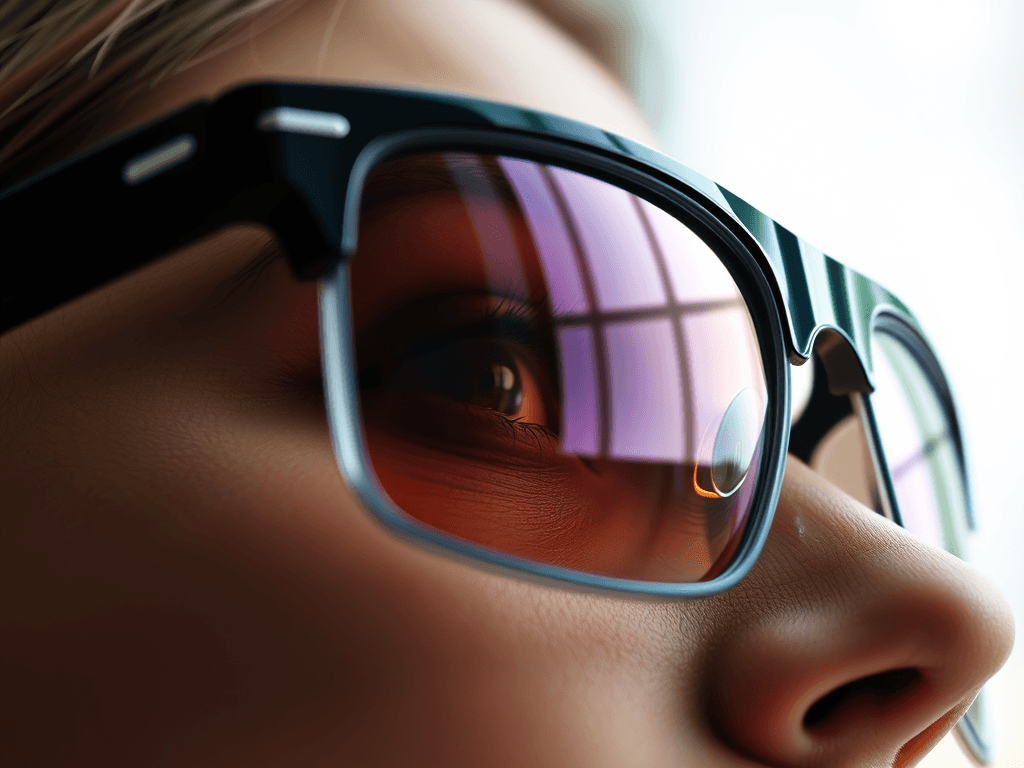
Photochromic lenses offer unique advantages over traditional eyewear. Unlike regular sunglasses, these lenses automatically adapt to changing light conditions, providing comfort and protection.
While standard glasses do not reduce glare or provide UV protection, photochromic lenses excel in these areas. They shield your eyes from harmful rays while improving visual clarity.
Other adaptive lens options, like clip-on sunglasses, require manual adjustments. This can be cumbersome and inconvenient, especially for those constantly on the move.
In terms of versatility, photochromic lenses come out on top. They integrate effortlessly into daily life by offering:
- Full-time UV protection
- Seamless indoor-to-outdoor transition
- Compatibility with prescription needs
Cost can be a factor in choosing eyewear. Although the initial investment in photochromic lenses may be higher, their dual functionality often makes them more economical over time.
For those seeking a balance of convenience, protection, and style, photochromic lenses present an unmatched choice in eyewear technology. They adapt to various environments and lifestyle needs, enhancing both comfort and vision.
Who Should Consider Photochromic Glasses?
Photochromic glasses are ideal for many people. If you often move from indoor to outdoor settings, these lenses offer unmatched convenience and comfort. They automatically adjust, providing optimal vision without the hassle of carrying multiple pairs of glasses.
They are also perfect for outdoor enthusiasts and athletes. Whether cycling, hiking, or just enjoying the sunlight, photochromic lenses protect against harmful UV rays and reduce glare. This enhances safety and visual clarity, making them popular among active individuals.
Moreover, photochromic glasses benefit those with light sensitivity. People who experience discomfort in bright environments will find relief with lenses that adapt to changing light conditions. Consider these lenses if you value:
- Versatile eyewear solutions
- Enhanced UV protection
- Improved visual comfort and clarity
Types and Styles of Photochromic Lenses

Photochromic lenses come in various types tailored to different needs. They are available in single-vision, bifocal, and progressive lens formats. This makes them suitable for people with various vision correction requirements.
Different styles cater to personal preferences and fashion trends. From modern designs to classic looks, there’s a photochromic lens style to fit any wardrobe. You can choose from an array of frame styles, ensuring your glasses align with your personal taste.
The range of lens colors and tints available adds another layer of customization. Whether you prefer subtle shades or vibrant colors, the options are vast. Key considerations when choosing your lenses include:
- Lens material (plastic, polycarbonate)
- Frame style (casual, professional)
- Tint and color options
These lenses are about more than just function—they offer aesthetic appeal too.
Common Myths and Misconceptions
Photochromic lenses often attract misconceptions. A common belief is that they won’t darken indoors, which isn’t true. The misconception stems from UV-blocking coatings in some indoor settings.
Some think photochromic lenses transition too slowly. While the speed varies with brands and conditions, advances in technology have made them faster. Most transitions are quick enough for everyday use.
Another myth is that photochromic lenses are only suitable for certain activities. In reality, they cater to diverse needs and lifestyles. Here are some myths dispelled:
- Myth: Only for outdoor use.
- Myth: Not stylish.
- Myth: Incompatible with all prescriptions.
Understanding the truth helps make better choices for vision needs.
Tips for Choosing the Right Photochromic Lenses
Selecting the perfect photochromic lenses involves careful consideration. Start by assessing your lifestyle needs. If you frequently switch between indoor and outdoor settings, prioritize lenses with fast transition speeds.
Consider lens material based on your activities. Polycarbonate is ideal for sports or active lifestyles due to its durability. Different lens tints also offer unique benefits, so choose a color that meets your comfort and style preferences.
When exploring options, consult with an eye care professional. They can provide personalized recommendations based on your prescription and activities.
Here are some tips to guide your decision:
- Lifestyle Needs: Evaluate daily activities.
- Material Choice: Select for durability.
- Consultation: Seek professional advice.
A wise choice will enhance both comfort and visual performance.
Care and Maintenance of Photochromic Lenses
Proper care extends the life of your photochromic lenses. Simple maintenance can preserve their functionality and appearance. Regular cleaning is essential to remove dust and smudges.
Use a microfiber cloth to gently wipe the lenses. Avoid paper products that could scratch the surface. Utilizing a lens cleaner specifically designed for eyewear ensures safe cleaning.
Here are some key care tips:
- Clean Regularly: Use a lens-specific cleaner.
- Storage: Keep in a protective case when not in use.
- Avoid Heat: Don’t leave them in hot places.
Proper care will keep your lenses in optimal condition.
Frequently Asked Questions
Photochromic lenses often raise common queries. Many people wonder how quickly these lenses transition between light and dark. The transition typically occurs in one to two minutes.
Some are curious about their performance inside vehicles. Unfortunately, car windshields can block UV rays that activate the lenses, affecting their effectiveness.
Here are some common questions:
- Can they be scratched easily?
- Do they work in cold conditions?
- Are they suitable for night use?
These lenses are versatile but understanding their limitations helps manage expectations. Always consult with an optician for personalized advice.
Conclusion: Are Photochromic Lenses Right for You?
Photochromic lenses offer versatility and protection for daily wear. They suit various activities and environments, adjusting to changing light conditions.
However, individual needs vary. Consider lifestyle, frequent light exposure, and personal preference. Consulting an eye care professional ensures an informed decision.
Embrace the convenience of photochromic glasses if they align with your vision needs. Investing in adaptive lenses may greatly enhance your visual comfort and eye health.